Search Intent Brief Before Writing
A practical workflow for search intent brief template using DataForSEO evidence, Search Console reality checks, and FreelTools SEO utilities.
Put this guide into action
Use the free Competitor Content Gap Brief Generator while you read. No account required, and your inputs stay private.
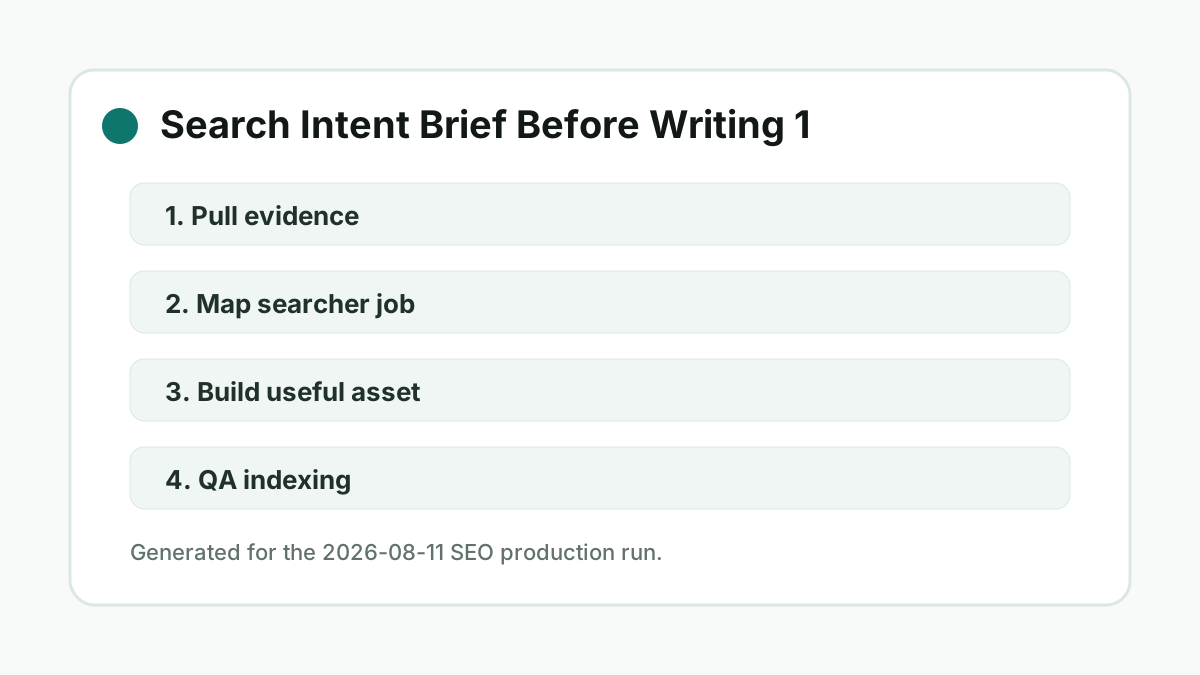
Use this workflow when you want a small site to publish from evidence instead of guesses. The 2026-08-11 run uses DataForSEO as the paid research source, GSC signals for reality checks, and FreelTools utilities to turn research into a page that can be indexed and used.
Quick answer
Search Intent Brief Before Writing starts with one searcher job, one target URL, and one measurable next action. The page should include a direct answer, a working tool or checklist, useful internal links, and live QA before it is submitted for indexing.
Why this keyword was chosen
The target keyword is search intent brief template because it sits close to FreelTools' current SEO-tool demand. It supports users who need on-page checks, title refreshes, indexing triage, and practical SERP planning without opening a heavy crawler.
Workflow
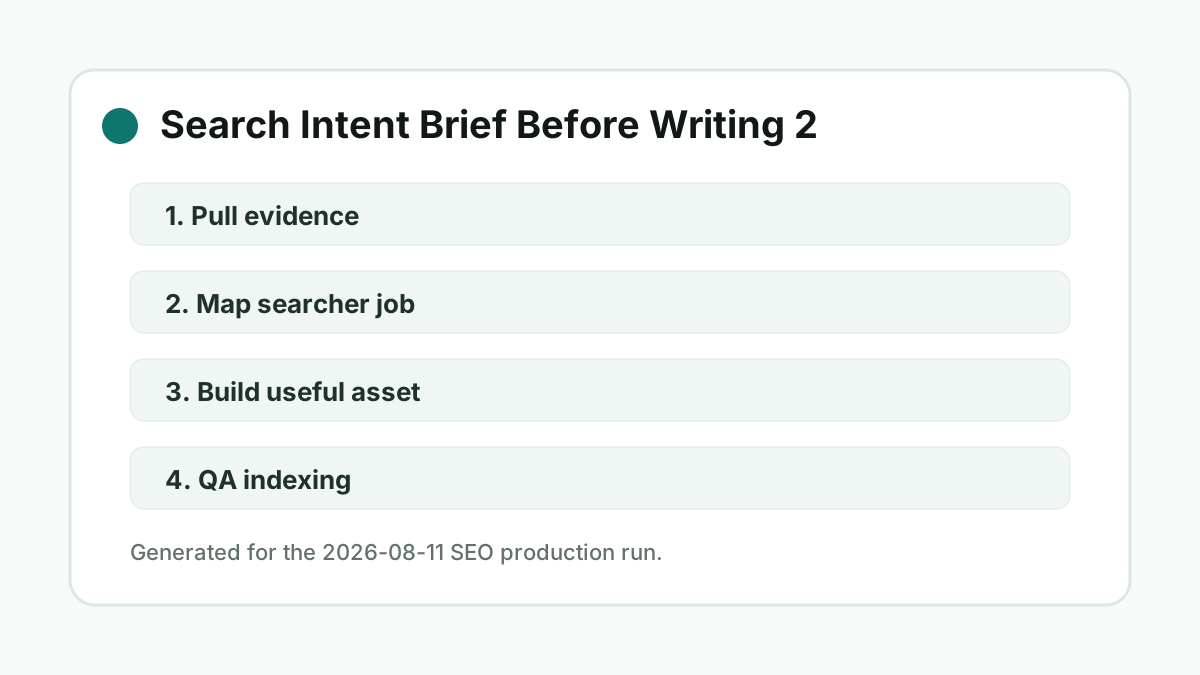
- Pull the keyword or page idea from DataForSEO, GSC, Google related searches, or a live user problem.
- Write the exact searcher job in one sentence.
- Build the smallest useful tool, checklist, or support post for that job.
- Add an answer box, FAQ section, and internal links to adjacent tools.
- Run live QA for canonical, indexability, sitemap, and mobile readability.
- Submit the URL only after the live page returns the right status and content.
Tool path
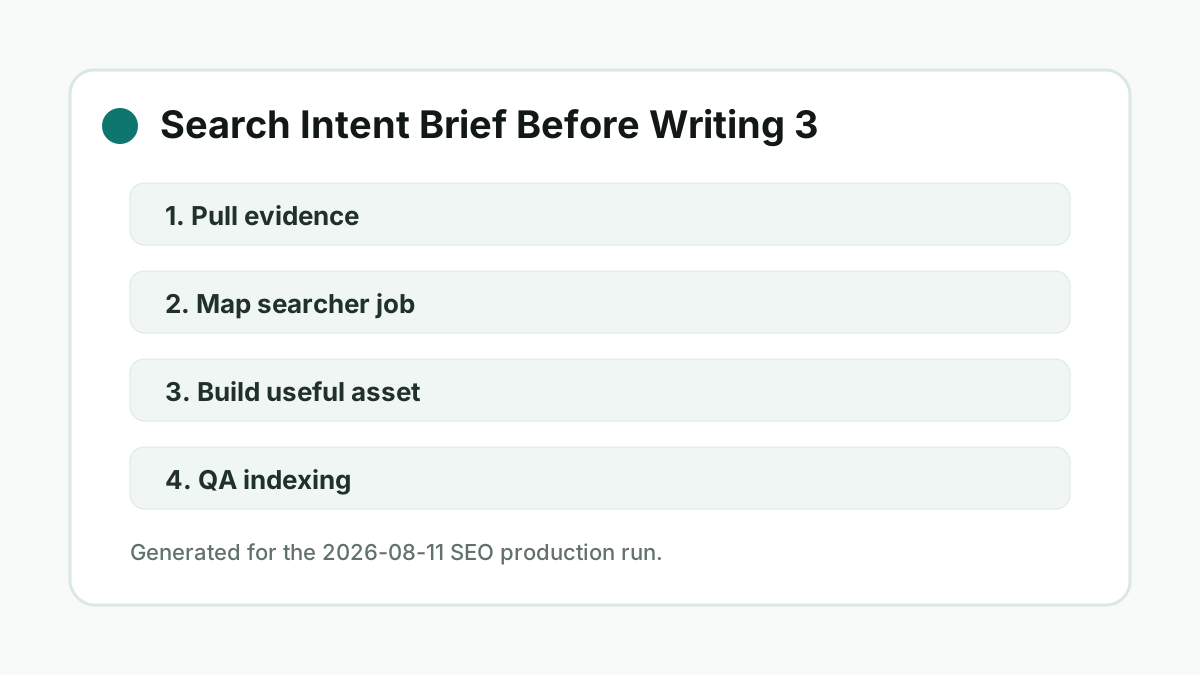
Start with this FreelTools workflow, then connect it to the GSC Indexing Issue Triage Planner, DataForSEO SERP Competitor Brief, and Search Console Query Page Mapper.
QA checklist
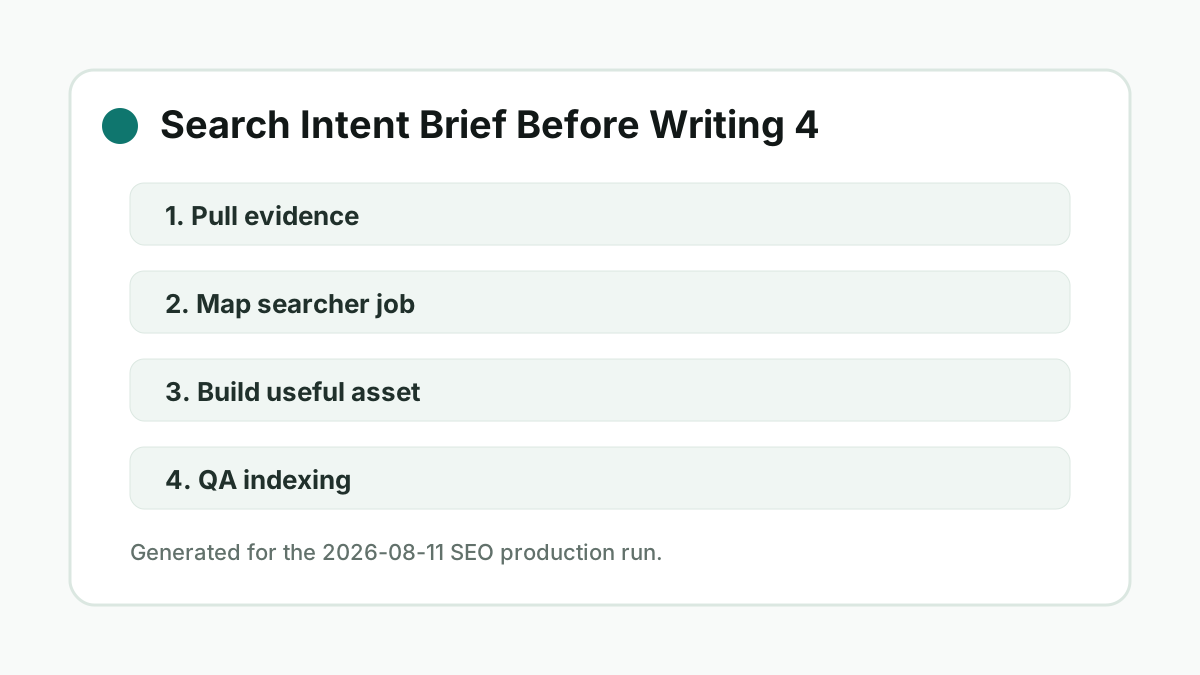
- The keyword appears naturally in the title, H1, intro, answer box, and one FAQ.
- The page links to at least two useful tools.
- The page has a distinct reason to exist, not just a keyword variation.
- Canonical and sitemap signals point at the indexable URL.
- The page explains what the user should do next.
FAQ
Should every keyword become a new page?
No. If the searcher job is the same, refresh the existing page or add a section. Create a new page only when the user needs a distinct tool, checklist, or workflow.
Why use DataForSEO here?
DataForSEO gives controlled keyword and SERP evidence at low cost. The daily workflow should reuse reports first, then pull only the next narrow cluster when the cost guard allows it.
What makes the page useful for AI answers?
A short answer near the top, explicit entities, clear steps, practical tables, and truthful internal links make the page easier for classic search and answer engines to interpret.
Free tools for freelancers
Put this advice into action with our free calculators and generators — no login required.